Those who kneel before God should never be afraid to stand

Understanding Pain: Part II
Dealing With Lower Back, Arthritic and Knee Pain: In Part 2, we explore lower back, arthritis and knee pain through the lens of inflammation and whole body healing. This section discusses alternative strategies for pain management while sharing multiple real-life experiences from Dr. J that highlight both the possibilities and the limitations of natural approaches.
Dr J
7 min read


In my last blog, I addressed pain management from a conventional standpoint and highlighted how to use pain medication effectively. Learning how to stagger dosages to get on top of pain before it becomes unbearable is essential.
In this blog, I will focus on some natural ways to deal with pain. Since people suffer from different types of pain, this post cannot address them all at once. I will provide information on arthritic pain, lower back pain, and knee pain. (Millions of people worldwide suffer from these conditions. Lower back pain alone affects nearly 80% of adults at some point in their lives, arthritis affects over 58 million adults in the U.S., and knee pain is one of the leading causes of mobility limitation.)
Back Pain
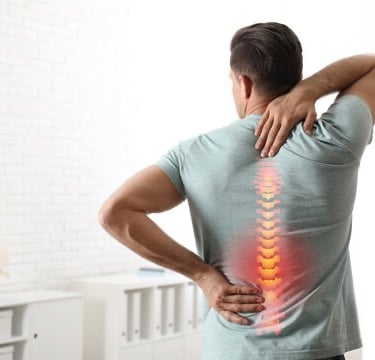
Some of the main reasons people suffer from back pain include muscle strain or ligament sprain; overuse such as repetitive bending or twisting; long periods of standing; poor posture or ergonomics such as slouching; herniated or bulging discs; sciatica; pinched nerves; osteoporosis; being overweight; a sedentary lifestyle….and the list goes on.
As mentioned above many people suffer from back pain for a variety of reasons. Regardless of the cause, it can be debilitating. Back pain is one of the main reasons people retire early. Many spend a significant portion of their day in pain, which greatly affects their ability to carry out daily activities. I once saw a pastor with such severe back pain that he walked permanently bent over at the waist. I have also known many people who chose surgery and ended up worse than before.
One of the disclaimers you sign before undergoing back surgery is the understanding that the outcome may only offer a 50% chance of improvement. This is with no guarantee of being pain-free, and that the surgeon cannot be held liable if the outcome is not what you hoped for. Sometimes I wonder why people choose these surgeries when the odds and consequences are so grave. I often warn people that the only individuals who truly benefit 100% from expensive back surgery are the surgeon and the facility performing the procedure. They get paid regardless of the outcome. What kind of odds are those?
To be clear, I am not anti–back surgery. I simply want to point out that the outcome is not always what one desires.
A Personal Story
In my last blog, I shared how I suffered from a DVT and struggled with pain management after the birth of my son. My son was delivered via emergency C-section. To save his life, my OB-GYN had to act quickly. During preparation, an epidural was rapidly placed into my spine to numb the pain. An epidural involves skillfully inserting a needle into the spine and delivering medication to numb the area before surgery.
During that rush, the epidural severely compromised my spine and left me with significant back problems. A few months after delivery, I found myself completely unable to walk. I could not stand, move, or function. I faced the decision of going to the ER or taking the advice of a church member to see a naturopathic doctor.
After explaining my symptoms, I remember the naturopathic doctor begging my husband not to take me to the hospital and to give her a chance to help me. Because I could not walk or move and no ambulance would take me to her small home clinic, transportation there was pure hell. I vividly remember my poor husband trying to get me into the back seat of our small Camry while I was “crying blue murder.”
I spent five days in her home clinic, where she used only her hands on my back and spine. I remember her releasing trigger points in areas I never knew existed. She worked on my face, underarms, and other parts of my body. For the first three days, I could not move at all and performed all bodily functions on a small examination bed.
Because she had strong faith in God and prayed for me, I entered the process with hope and faith that healing was possible. While I could not move for the first three days, one thing I can say is this: I walked out of her office.
That experience was my first true introduction to the benefits of naturopathic healing remedies. I also remember the exercises she taught me and the techniques she used on my back. These methods I now often recommend to patients who suffer from back pain, many of whom find relief. If you are interested in those methods, feel free to subscribe to my blog and send me a message. I would be happy to share.
Although I walked out of her office, I still occasionally suffer from severe sciatica, which I manage using those same methods. The epidural left me with permanent numbness in part of my anatomy. Oh, the joys we go through as mothers to bring our little ones into this world.
Arthritic Pain
Arthritic pain is mainly caused by inflammation and the breakdown of joint cartilage, which normally cushions the ends of bones. When this cartilage wears down due to aging, overuse, injury, excess weight, or immune system dysfunction, the joint becomes inflamed. Bones may rub together, swelling can irritate nearby nerves, and surrounding muscles stiffen, all of which lead to pain, stiffness, and reduced movement. This friction usually lead to an accumulation of fluid at the joint due to the inflammation process
The main culprit of arthritis is inflammation. Inflammation causes the joint lining to swell and release inflammatory chemicals that damage cartilage and surrounding tissue. This swelling increases pressure within the joint, irritates nearby nerves, reduces lubrication, and makes movement painful and stiff. Over time, ongoing inflammation accelerates cartilage breakdown, exposes bone, weakens supporting muscles, and can permanently damage the joint, leading to chronic pain and limited mobility. This is the main reason some doctors will tap into the joint (usually the knee) and remove the excessive fluid.
Reducing Inflammation
Reducing inflammation usually requires a combination of lifestyle changes and targeted treatments, depending on the cause. Some effective and safe approaches include:
Daily Habits That Help
Staying active with low-impact movements such as walking, swimming, and stretching
Maintaining a healthy weight
Getting adequate sleep, which reduces stress and lowers inflammatory chemicals
Managing stress which leads to inflammation
Applying cold packs for swelling and flare-ups
Using heat for stiffness and muscle tightness
Physical therapy to improve joint support and movement
Adopting an Anti-Inflammatory Diet
An anti-inflammatory diet is key for both back pain and arthritic pain. This includes eating more fruits, vegetables, whole grains, fatty fish, nuts, and olive oil. It is also important to reduce processed foods, sugar, fried foods, and refined carbohydrates. Increasing water intake also helps flush inflammatory byproducts from the body.
Arthritis Pain and Healing the Body
People who suffer from Rheumatoid Arthritis (RA), an autoimmune disease, also experience joint pain. However, in this discussion I am focusing on non-autoimmune arthritis. Therefore, it is safe to say that if inflammation were cleared from the body, joint pain would significantly improve.
Reducing inflammation involves eating a diet that helps detoxify the body and supports self-healing. This often begins with cleansing the gut, followed by a cellular cleanse. Eating a healthy vegetarian diet for about one month can help the body clear toxins. Applying castor oil packs over the liver and spleen may also help reduce inflammation. Exercise is also tremendously beneficial.
People living in the world’s “Blue Zones” not only tend to live longer, but they also experience better overall health. Many remain free from chronic pain and have lower rates of cancer, diabetes, heart disease, hypertension, and other chronic illnesses.
At its core, pain serves as a protective mechanism, alerting the body to injury, inflammation, or dysfunction. Problems arise when pain becomes chronic and turns into a disease state of its own.
When inflammation persists and the body’s self-healing mechanisms are compromised, weight-bearing joints like the knees frequently become the site of ongoing discomfort and degeneration.
Knee Pain
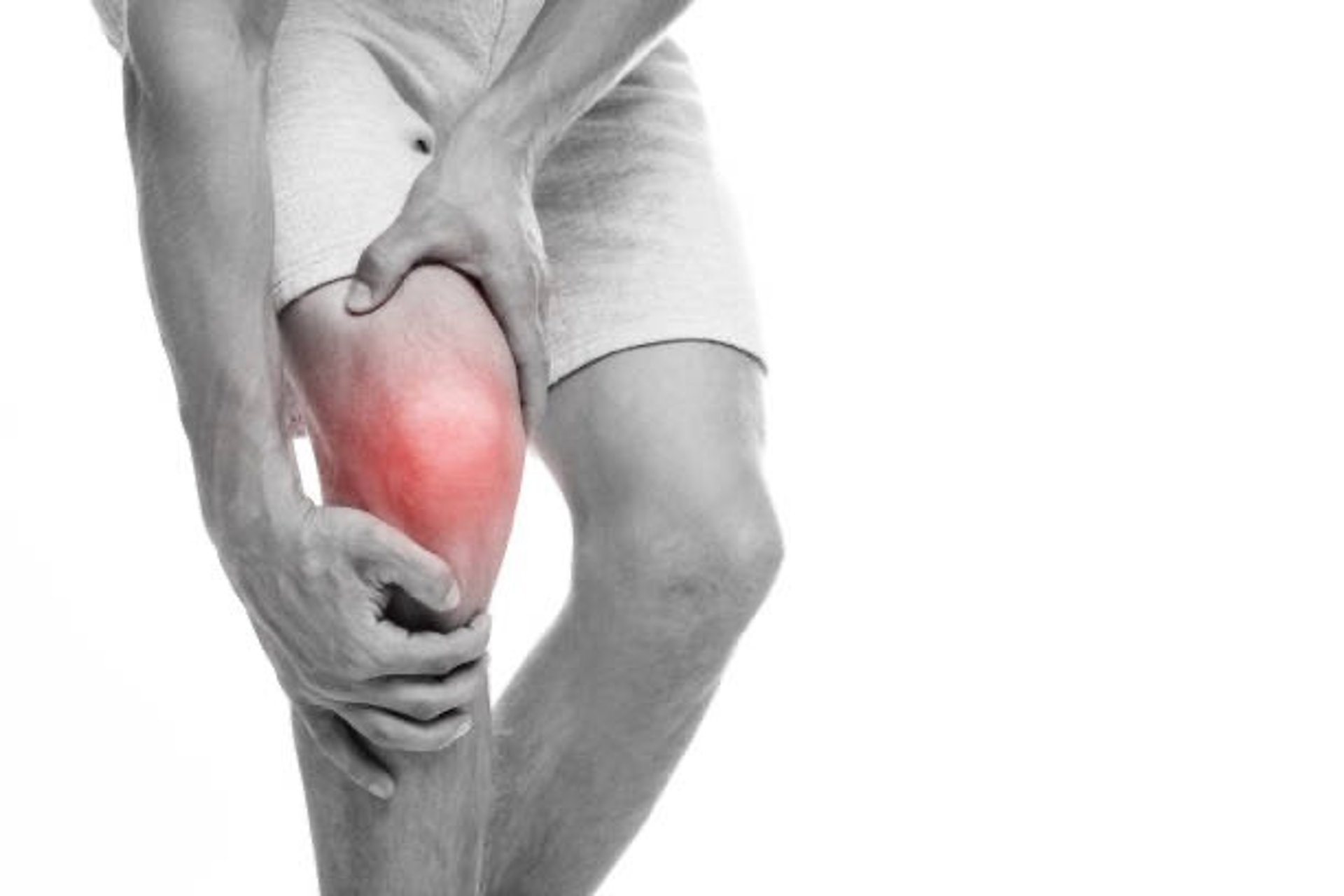
Knee pain can be caused by many factors, most commonly wear-and-tear such as osteoarthritis or cartilage degeneration, especially with aging or repeated joint stress. Injuries like meniscus tears, ligament strains (ACL, MCL, PCL), or fractures may occur after twisting or trauma. Overuse conditions such as patellar tendinitis, runner’s knee, or iliotibial band syndrome often develop with repetitive activities like running, jumping, or stair climbing.
Inflammatory conditions including bursitis, synovitis, gout, rheumatoid arthritis, or joint infection can lead to swelling, stiffness, warmth, and pain. Poor alignment, muscle imbalance, flat feet, or weakness in the hips or ankles can also stress the knee. In some cases, knee pain may be referred from the hip or lower back. Serious causes should be suspected if knee pain is associated with redness, fever, severe swelling, inability to bear weight, or instability.
A Stress-Related Knee Pain Story
When I moved to NYC in 2017, I traveled from Georgia to Poughkeepsie, NY for a new job. I had only two days to secure housing, so I drove for 14 hours straight with intense focus. Although my SUV had cruise control, I ignored it and pressed the accelerator the entire way, stopping (three times) only for fuel and restroom breaks.
The stress placed on my right knee (the accelerator foot) was not felt immediately. About a week later, the knee felt sore. Because I had never experienced knee pain before, I ignored it. Two weeks later, I noticed swelling on the right lateral side of the knee, and on touch, I could feel fluid beneath the skin. This was likely a buildup of inflammatory joint fluid caused by stress and compensation.
Without health insurance and unable to miss work, I was forced to manage the injury myself. The pain worsened, stiffness set in, and I walked with a noticeable limp. I finally understood what chronic knee pain feels like.
My treatment included applying cabbage leaf wraps nightly for two weeks. By the end of that time, the fluid buildup was gone, the pain resolved, and my knee returned to normal. The only side effect was some mild skin peeling. I never experienced knee pain again—and I have used cruise control on long trips ever since.
A Final Word on Home Remedies and Knee Health
While the cabbage leaf wraps were helpful in my case, it is important to understand that not all knee pain responds to home remedies. My injury was likely related to inflammation and fluid accumulation from prolonged stress and overuse. In situations like that, reducing inflammation may bring significant relief.
However, knee pain caused by structural or mechanical damage often requires a different approach. Conditions such as:
Cartilage degeneration
Meniscus tears
Ligament injuries (ACL, MCL tears)
Advanced osteoarthritis
Bone-on-bone degeneration
Severe joint deformity
may not improve with natural remedies alone.
When cartilage has significantly worn away, or when there is advanced osteoarthritis with bone rubbing against bone, conservative measures may provide only temporary relief. In severe cases, surgical intervention — including partial or total knee replacement — may be necessary to restore mobility and relieve pain.
The key is understanding the root cause of the pain. Inflammation can often be supported through diet, detoxification, rest, and natural therapies. Adding adequate amounts of Vitamin C and Turmeric is essential in helping to decrease inflammation and boosting the immune system.
Mechanical breakdown, however, requires proper medical evaluation and sometimes surgical correction.
Here is my YouTube link on how to prepare the cabbage leaf. https://www.youtube.com/watch?v=6FyKo4itWd8
Please like and share this blog post if you find it useful.
Dr J